Following our last update on Mohamed Abdukardir Ali, the “ghost candidate” whose mysterious election shocked the Left Party, Sweden’s political landscape has officially entered a tense, high-stakes waiting game.
The final election results are locked in, the Prime Minister has resigned, and the race to form a new government is on. Here is your smart, essential briefing on where Sweden stands right now.
1. The Numbers: Sweden’s New Parliament (Riksdag)
The final vote count confirms an incredibly tight split in the 349-seat parliament. The left-leaning bloc holds a razor-thin majority of 176 seats, while the right-leaning bloc trails by just three seats at 173.
Here is how the seats are officially distributed among the eight parties:
The Left-Leaning / Center-Left Bloc (176 Seats Total)
- Social Democrats (Socialdemokraterna): 99 seats 🔴 (The largest single party)
- Left Party (Vänsterpartiet): 30 seats 🔴 (The party of the controversial MP Ali)
- Centre Party (Centerpartiet): 25 seats 🟢
- Green Party (Miljöpartiet): 22 seats 🟢
The Right-Leaning / Blue-Yellow Bloc (173 Seats Total)
- Moderate Party (M), Sweden Democrats (SD), Christian Democrats (KD), and Liberals (L) collectively hold 173 seats 🔵.
2. Current Status: Kristersson Out, Andersson In (For Now)
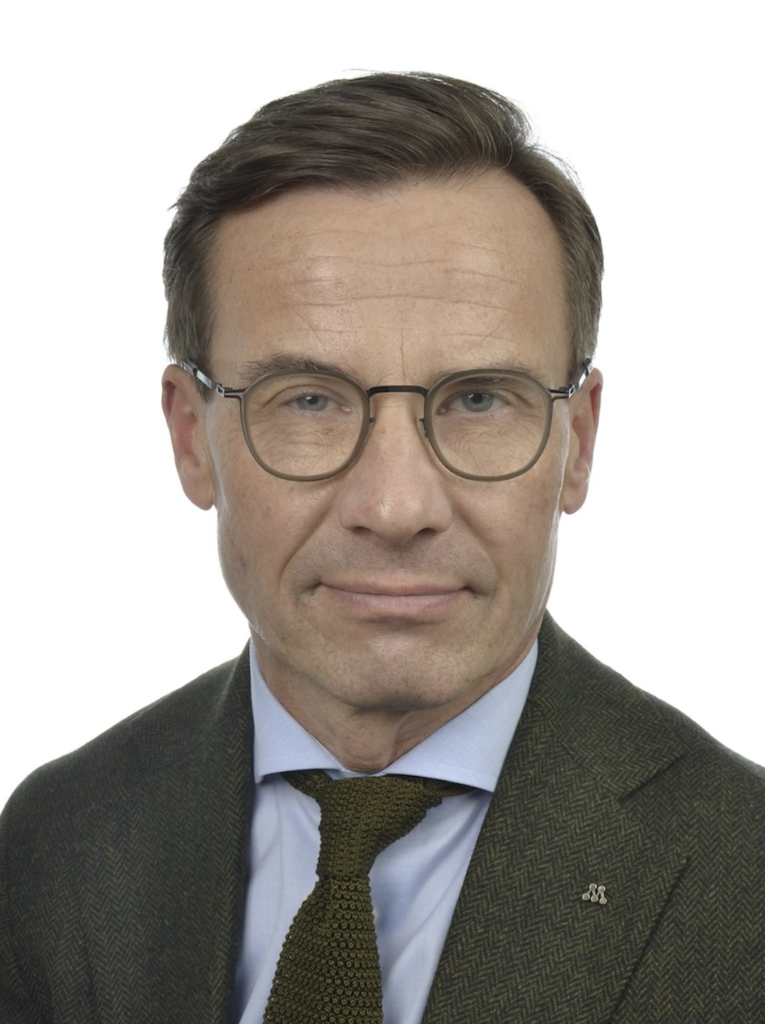
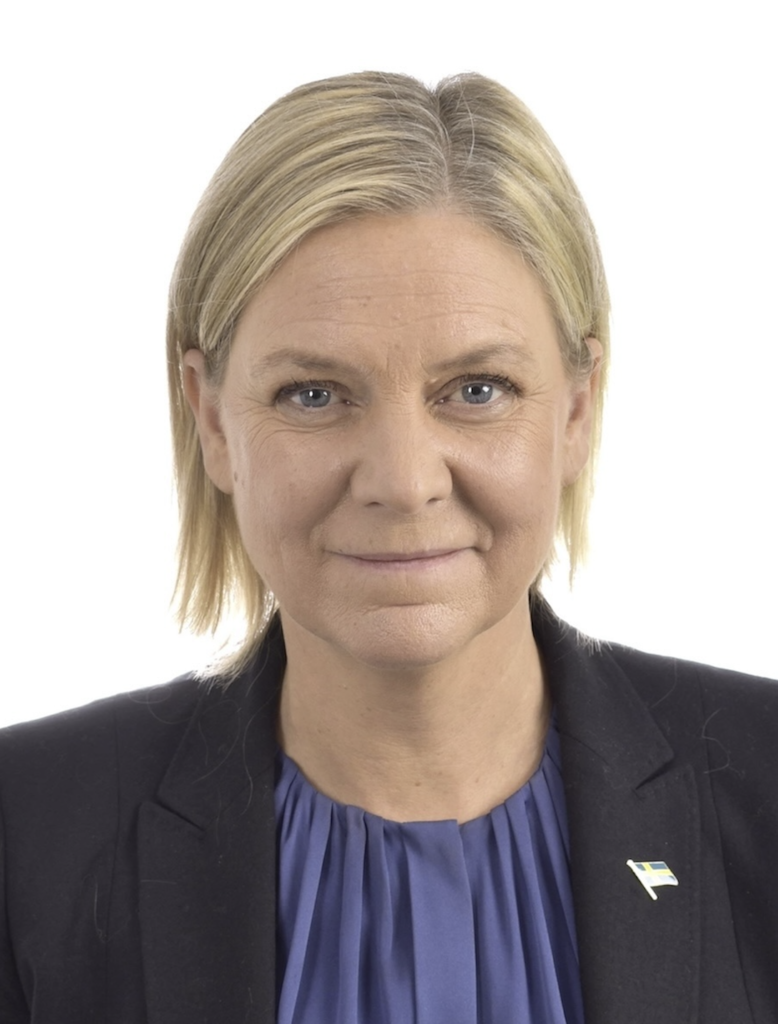
Source: Sveriges Riksdag (The Swedish Parliament)
- Government Resignation: Prime Minister Ulf Kristersson has officially submitted his resignation. His cabinet currently operates strictly as a caretaker government until a new coalition is formed.
- First Shot at Power: Speaker of the Parliament Andreas Norlén has given Magdalena Andersson, leader of the Social Democrats, the initial exploratory mandate (sonderingsuppdrag) to see if she can build a viable government.
3. The Gridlock: Left Party vs. Centre Party
While Andersson has the theoretical math (176 seats) to form a government, the actual politics are in a total deadlock.
- The Left Party’s Ultimatum: Nooshi Dadgostar (Left Party leader) firmly states they will only vote for a new government if her party is given actual cabinet seats.
- The Centre Party’s Hard Refusal: Elisabeth Thand Ringqvist (Centre Party leader) completely rejects this, stating her party will never sit in a government alongside the Left Party.
(Note: This is exactly why the internal security scandals plaguing the Left Party—like the unverified election of Mohamed Abdukardir Ali—are making the Social Democrats and Centre Party incredibly hesitant to grant them real government power).
4. What Happens Next? (The Key Timeline)
- September 28: The newly elected parliament will convene for the very first time to elect a new Speaker.
- September 29 (Earliest): The new Speaker can officially put forward a Prime Minister candidate for a parliamentary vote.
- The “Negative Parliamentarism” Rule: Under Swedish law, a Prime Minister doesn’t need a majority of “Yes” votes. They just need to ensure that a majority (175 or more) does not actively vote “No”. If a candidate is rejected four times by the parliament, Sweden will be forced into a snap re-election within three months.
Connecting the Dots
On paper, the center-left has won the election. In reality, ideological gridlock and trust issues mean Sweden is looking at a highly unpredictable “thriller week”. Stay tuned as the parties scramble behind closed doors to break the deadlock.