주택 지붕 선택 방법: 완벽한 성공을 위한 5가지 최고의 비밀 전략
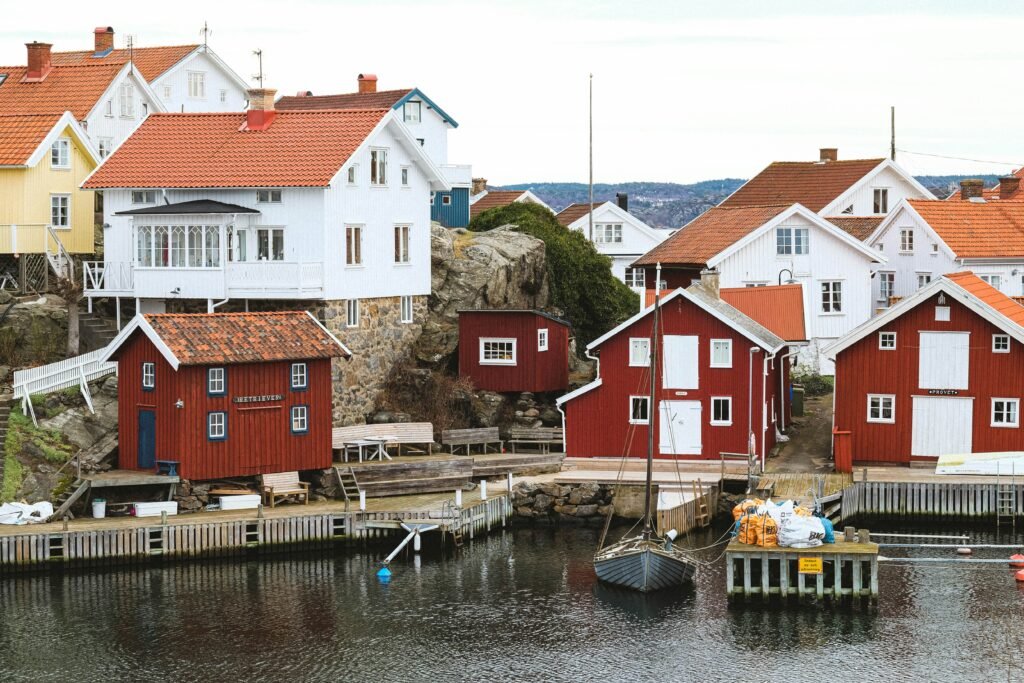
When it comes to building your dream home, choosing a house roof is the single most critical decision that dictates your long-term wealth. Especially in countries with distinct seasonal changes—such as scorching summers and freezing, snowy winters—the roof is not just an aesthetic choice, but the ultimate shield determining your home’s lifespan and energy efficiency. In this article, we analyze the wisest choice by looking at raw material price volatility, rising labor costs, and structural reinforcement expenses required for solar panels.
꿈에 그리던 집을 지을 때, 주택 지붕 선택은 장기적인 자산 가치를 좌우하는 가장 중요한 결정입니다. 특히 여름에는 폭염이 지속되고 겨울에는 혹한과 폭설이 내리는 등 계절 변화가 뚜렷한 나라에서 집을 지을 경우, 지붕은 단순한 미관을 넘어 집의 수명과 에너지 효율을 결정하는 가장 핵심적인 방패가 됩니다. 이번 글에서는 장기 거주 시 발생할 수 있는 원자재 가격 변동, 노동비(인건비) 변화, 태양광 판넬 설치 시 하중 보강 비용 등을 종합하여 어떤 지붕이 가장 현명한 선택인지 분석해 드립니다.
1. Selecting Materials Based on Extreme Climate Variations
극단적인 기후 변화에 따른 자재 선별 가이드
By actively choosing a house roof engineered for extreme seasonal shifts, you secure structural peace of mind. The two most proven premium options in the global market are flat clay tiles and aluminum zinc (standing seam). These materials handle severe thermal expansion and precipitation in vastly different ways.
극단적인 계절 변화를 견디도록 설계된 지붕 구조를 능동적으로 선별함으로써, 건축주 부부는 구조적인 평온함을 확보할 수 있습니다. 글로벌 시장에서 가장 검증된 두 가지 프리미엄 옵션은 **도자기 평기와(점토 기와)**와 **알루미늄 징크(돌출잇기)**입니다. 두 자재는 기온 차와 강수를 이겨내는 방식에서 큰 차이를 보입니다.
- Clay Tiles (Ceramic/Porcelain): Clay tiles have naturally low thermal conductivity and create a natural air gap, offering unrivaled insulation against summer heat waves and winter freezes. Their heavy, dense structure also provides superior soundproofing against external stadium or weather noises.
- 도자기 평기와 (점토 기와): 흙을 구워 만든 기와는 자재 자체의 열전도율이 낮고 지붕 바닥과의 사이에 자연스러운 공기층을 형성합니다. 덕분에 여름철 폭염과 겨울철 혹한을 막아주는 독보적인 단열 성능을 자랑합니다. 또한, 두껍고 밀도가 높아 소음이나 거친 빗소리를 차단하는 방음 성능도 최상입니다.
- Aluminum Zinc (Standing Seam): This is a premium, rust-proof metal material. Its smooth surface allows heavy snow to slide off effortlessly, making it ideal for snowy regions. However, because metal conducts heat and sound, it strictly requires a thick ‘Warm Roof’ insulation system and acoustic sheets. According to the International Roofing Guidelines, proper insulation integration is key when choosing a house roof.
- 알루미늄 징크 (돌출잇기): 부식에 강해 절대 녹이 슬지 않는 프리미엄 금속 자재입니다. 표면이 매끄러워 겨울철 눈이 쌓이지 않고 자연스럽게 미끄러져 내려가 폭설 지역에 유리합니다. 단, 금속 특성상 열전도율이 높고 소음에 취약하므로, 반드시 지붕 단열재를 아주 두껍게 넣는 ‘웜루프(Warm Roof) 공법’과 차음 시트 시공이 필수적입니다. 국제 지붕 시공 가이드에서 확인할 수 있듯이 적절한 단열재 결합이 핵심입니다.
2. Risks in Raw Material and Labor Cost Volatility
원자재 및 노동비(인건비) 가격 변동 리스크
When choosing a house roof to live under through retirement, you must calculate long-term economic risks that will impact future maintenance and repair costs over the next 40 years.
은퇴 이후 노후까지 오랜 세월 살아가기 위해 집을 지을 때는 향후 수십 년 동안 수리비나 유지보수비에 미칠 경제적 리스크를 철저히 계산해야 합니다.
- Material Price Volatility: Clay tile prices remain highly stable over time as they are made from abundant natural soil. Conversely, aluminum is tied to global commodity markets, meaning zinc carries a much higher risk of price volatility due to future international inflation.
- 원자재 가격 변동: 기와의 주원료는 자연의 흙(점토)이므로 세월이 흘러도 가격 변동이 매우 안정적입니다. 반면, 알루미늄은 국제 광물 시장 가격과 글로벌 에너지 비용에 직접 연동되므로 미래의 자재 가격 변동 폭과 인플레이션 위험이 징크가 훨씬 큽니다.
- Labor Cost Trends: In modern housing markets, labor costs rise much faster than material costs. Since clay tiles require tedious hand-layering by skilled masons, any future repair will carry a massive labor penalty. Zinc, installed quickly with specialized tools, minimizes labor expenses. For more detail on structural budgeting and managing unforeseen hard costs, you can check out the comprehensive Houzz Pro Guide on Residential Construction Budgeting.
- 노동비 가격 변동: 현대 주택 시장에서는 자재비보다 ‘사람의 인건비’가 훨씬 가파르게 상승합니다. 기와는 숙련공이 한 장 한 장 손으로 조립해야 하므로 미래에 보수 작업을 할 때 엄청난 인건비 폭탄을 맞을 수 있습니다. 반면 징크는 전용 장비로 빠르게 시공하므로 인건비 타격이 상대적으로 적습니다. 더 자세한 주택 건축 예산 수립과 자재비·인건비 밸런스에 관한 트렌드는 실무적인 가이드라인을 다룬 Houzz Pro 주택 건축 예산 수립 가이드를 참고해 보세요.
3. Solar Panel Integration and Structural Reinforcement Costs
태양광 판넬 설치와 지붕 보강공사 추가 금액
When integrating an eco-friendly solar system, choosing a house roof with the wrong load calculations can completely ruin your initial framing budget.
친환경 태양광 시스템을 접목할 때, 하중 계산을 무시하고 자재를 선택하면 초기 뼈대 공사비가 감당할 수 없을 정도로 늘어나게 됩니다.
- Clay Tile Reinforcement Costs: Clay tiles are exceptionally heavy. When combining the weight of the tiles, winter snow, and solar panels, the house frame must be drastically reinforced. This adds an immediate premium of approx. $2,000 to $8,000+ (3 to 10 million KRW) to the initial structural framing budget. Furthermore, installing solar on clay requires removing tiles, creating a high risk of cracking and leaks if done by uncertified workers.
- 기와 지붕의 하중 보강 추가 금액: 기와는 자재 자체가 매우 무겁습니다. 여기에 ‘기와 무게 + 쌓이는 눈의 무게 + 태양광 판넬 무게’가 동시에 더해지면 지붕이 주저앉을 수 있습니다. 이를 견디기 위해 집의 기초, 내력벽, 지붕 서까래(트러스)를 대폭 강화해야 하므로 초기 골조 보강 공사비가 최소 약 300만~1,000만 원($2,000~$8,000) 이상 추가됩니다. 또한 기와 지붕에 태양광을 달려면 기와를 들어내고 작업해야 하므로 비전문가가 시공할 경우 기와가 부서지거나 틈새로 누수가 발생할 위험이 매우 큽니다.
- Aluminum Zinc Advantages: When choosing a house roof for effortless tech integration, aluminum zinc uses non-penetrating clamps that lock onto the raised seams. No holes are drilled, resulting in zero roof damage when installing or changing solar panels. Because it is lightweight, no extra structural framing reinforcement costs are required for the panels.
- 알루미늄 징크의 장점: 기술적 결합의 편리함을 고려할 때 알루미늄 징크는 지붕을 전혀 뚫지 않고 접혀 올라온 선에 전용 집게(클램프)로 물려서 고정하기 때문에 지붕에 단 1mm의 데미지도 주지 않습니다. 나중에 패널이나 배터리를 교체할 때도 지붕 손상이 아예 없습니다. 자재 자체도 매우 가볍기 때문에 태양광 설치를 위한 별도의 골조 보강 비용이 들지 않습니다.
4. Changing Roofs “Just in Case”: The Financial Loss of Swapping Materials Later
만약을 대비한 지붕 부분 변경: 골조 보강 후 자재 교체 시의 손실
Many wonder: “Can I build a heavy-duty frame for clay now, install lightweight zinc first, and then switch to clay tiles later when I save more money?” When choosing a house roof, this hybrid strategy causes a catastrophic financial loss. You must choose one roof type and stay with it.
많은 분들이 *”일단 기와용으로 뼈대 보강 공사를 튼튼히 해두고, 지금은 돈이 없으니 가벼운 알루미늄 징크를 올렸다가, 나중에 돈을 모아서 기와로 바꾸면 안 되나요?”*라는 의문을 가집니다. 하지만 이러한 혼합 전략은 엄청난 자산 손실을 불러오는 잘못된 선택이며 반드시 처음 선택 그대로 끝까지 가야 합니다.
If you attempt to switch from zinc to clay tiles down the road, you face these severe traps:
만약 나중에 지붕 자재를 징크에서 기와로 변경할 경우 다음과 같은 손실이 발생합니다.
- Wasted Zinc Capital: You are throwing away an expensive aluminum zinc roof built to last 60 years after only using it for a fraction of its lifespan, completely wasting your initial roofing capital.
(징크 자재 비용의 공중분해): 50~60년을 쓸 수 있는 고가의 프리미엄 알루미늄 징크 지붕을 고작 10~20년만 쓰고 뜯어내 버리는 꼴이 되므로, 초기 지붕 시공비가 그대로 낭비됩니다.
- Solar Re-installation Penalty: Zinc uses clamp-on solar mounts, which are useless on clay tiles. To change the roof, you must pay to completely tear down your solar panels, discard the mounts, buy entirely new clay brackets, and pay for a full re-installation, resulting in double labor costs.
(태양광 판넬 철거 및 재설치 비용 폭탄): 징크 지붕일 때 썼던 집게 고정 방식(클램프)은 기와 지붕에 절대 사용할 수 없습니다. 지붕 자재를 바꿀 때 기존 태양광 판넬과 거치대를 전부 뜯어내야 하며, 기와 전용 브래킷 부속품을 새로 사고 기술자를 다시 불러 완전히 새 방식으로 재시공해야 하므로 이중 인건비와 자재비 손실이 발생합니다.
- Paying for Reinforcement Twice: You pay a heavy premium for structural reinforcement today, but you receive no benefits of the clay tiles until decades later, all while risking massive labor inflation when you finally hire workers to do the swap.
(초기 보강 비용의 무의미함): 무거운 하중을 견디기 위한 뼈대 보강 비용은 지금 당장 지출되는데, 정작 기와의 이점은 수십 년 나중에나 보게 되며, 그 사이 물가 상승으로 인한 철거 및 재시공 인건비는 상상을 초월하게 오르게 됩니다.
Final Verdict: Choose One Lane and Stay in It
최종 결론: 한 가지 길을 선택해 그대로 가야 합니다
In the end, choosing a house roof means committing to a singular lifecycle path. Introducing a roof-swapping variable mid-lifecycle will severely impact your retirement funds. You must settle on one direction.
결과적으로 지붕 자재를 결정한다는 것은 단 하나의 라이프사이클 경로에 전념함을 의미합니다. 중간에 지붕을 바꾸는 변수를 두는 것은 은퇴 후 노후 자금에 큰 타격을 줍니다. 처음 정한 계획 그대로 끝까지 가야 장기적인 비용 손실을 막을 수 있습니다.
- Option 1 (The Modern Route): Choose Aluminum Zinc. Save on initial framing costs and invest a fraction of that into heavy insulation (Warm Roof) and soundproofing sheets. Solar panels can be added or swapped seamlessly via clamps with zero roof damage, making it the smartest economic route.
(선택 A – 스트레스 없는 모던 실용주의): 알루미늄 징크를 선택하세요. 초기 골조 보강비가 들지 않으며, 그 아낀 비용으로 내부 단열재(웜루프)와 차음재만 완벽히 보강하면 기와만큼 따뜻합니다. 나중에 돈을 모아 태양광을 얹을 때도 지붕 데미지가 0%이므로 가장 영리한 경제적 선택입니다.
- Option 2 (The Traditional Route): If you absolutely love the classic look and natural insulation of Clay Tiles, commit to it completely on day one. Build the heavy frame and install tiles immediately. Adding solar later through elite professionals using proper tile brackets is the only way to avoid double-spending.
(선택 B – 자연 친화적 클래식 정통파): 기와의 독보적인 천연 단열성과 중후함이 좋다면 처음부터 기동력을 발휘해 골조 보강 공사와 도자기 평기화를 동시에 완성하세요. 그리고 나중에 예산이 모였을 때 기와 전문 시공자를 통해 태양광을 안전하게 올리는 것이 중복 지출을 막는 유일한 방법입니다.
Check out more Home Building tips on my blog! / 제 블로그에서 더 많은 홈 빌딩팁을 확인해 보세요!